Your First Apartment Checklist: What to Buy, Pack, and Set Up Before Moving In
Moving into your first apartment means figuring out what you actually need to live comfortably, often while working with a limited budget and unfamiliar space. Between furniture, kitchen supplies, bathroom essentials, and moving expenses, it's easy to overlook something important or spend money on things that won't fit.
This first apartment checklist covers everything you need for your new place, from bedroom furniture to the small household items people forget until moving day. If you're downsizing or bringing belongings that won't fit right away, our storage options in Rochester, NY provide additional space while you get settled.
What to Do Before Buying Anything for Your First Apartment
Before shopping, measure your apartment and check what the landlord already provides. Some rentals include appliances, window coverings, or built-in storage, while others leave more for tenants to purchase. Knowing what's included prevents duplicate purchases and helps you decide where to spend your money. Measure doorways, hallways, and the space where larger furniture will go. A sofa might fit perfectly against your living room wall but be too wide to get through the entrance. If you're moving into an older Rochester apartment, checking stairways and tight corners before arranging furniture delivery is particularly worthwhile.
Review your lease for rules about wall mounting, painting, and furniture placement. It's also worth confirming your move-in date, key pickup arrangements, parking instructions, and whether you need to reserve an elevator or loading area.
Bedroom Essentials for Your First Apartment
Your bedroom is one of the first rooms worth setting up because you'll need somewhere comfortable to sleep after moving. Start with a mattress, bedding, and enough clothing storage for everyday use. Decorative furniture can wait until you've lived in the space long enough to understand what fits.
Your bedroom checklist should include:
- Mattress and bed frame
- Pillows, pillowcases, sheets, and blankets
- Mattress protector
- Dresser or clothing storage
- Hangers and laundry basket
- Bedside lamp
- Curtains or blinds, if not provided
- Nightstand or small bedside surface
A bed frame with space underneath can be useful in a smaller apartment. Under-bed containers work well for extra bedding or clothing you don't need regularly, though you'll want to measure the clearance before buying them. If you're bringing furniture from a previous home, avoid moving every piece into the bedroom immediately. Set up the bed and essential storage first, then decide whether additional furniture will make the room more functional or simply crowd it.
Kitchen Checklist: What You Need to Cook at Home
A first apartment kitchen doesn't need a complete collection of cookware. A few dependable items will cover most everyday meals, and you can add specialized equipment once you know what you actually use. Start with a frying pan, saucepan, baking sheet, cutting board, and a good kitchen knife. You'll also need plates, bowls, glasses, mugs, and utensils. If you're living alone, having enough dishes for several meals is usually more practical than buying a large matching set.
For food preparation and cleanup, keep these items on your list:
- Spatula, cooking spoon, and can opener
- Measuring cups and spoons
- Colander and mixing bowl
- Food storage containers
- Dish soap, sponges, and dish towels
- Oven mitts and pot holders
- Trash can and trash bags
- Basic pantry supplies
Before buying a microwave, toaster, or coffee maker, check how much counter space you have and which appliances are already included. Small kitchens become difficult to use when every available surface is occupied. It's also worth inspecting the cabinets and drawers before unpacking. Wipe down shelves, decide where dishes will go, and keep frequently used cookware within easy reach. This saves you from reorganizing the entire kitchen after everything has been put away.
Bathroom Essentials You Should Have on Moving Day
The bathroom is easy to overlook when you're focused on furniture, but several items need to be available as soon as you arrive. Pack them in a separate box or bag rather than mixing them with the rest of your belongings. At minimum, bring toilet paper, hand soap, towels, a shower curtain if needed, and your usual toiletries. Check whether the bathroom requires a shower curtain liner and hooks, since these aren't always included with a rental.
You'll also need a toilet brush, plunger, bathroom trash can, and appropriate cleaning products. A bath mat is useful for keeping water off the floor, especially in bathrooms with limited space around the shower. Storage matters here, too. If your bathroom has little cabinet space, a narrow shelf or over-the-toilet organizer may be more useful than a bulky freestanding cabinet. Measure the area first and avoid placing shelving where it blocks outlets, plumbing access, or doors.
Living Room Furniture and Everyday Comfort
The living room is where first-time renters sometimes spend more than necessary. A sofa, television, coffee table, and decorative furniture can add up quickly, but you don't need to purchase everything before moving in. Start with comfortable seating and adequate lighting. If you work or study from home, a desk and supportive chair might deserve a higher priority than an entertainment center. The furniture you choose should reflect how you'll actually use the apartment.
For a smaller living room, look for furniture that serves a practical purpose without occupying too much floor space. A compact table, storage ottoman, or bookshelf may be more useful than several separate pieces. Before arranging the room, locate electrical outlets and consider where you'll need lamps, chargers, or internet equipment. Leave enough clearance around doors and walkways so furniture doesn't interfere with everyday movement.
Cleaning Supplies and Basic Household Tools
Cleaning an apartment before unpacking is usually easier than trying to work around furniture and open boxes. Even if the unit was cleaned before your arrival, you may want to wipe down cabinets, countertops, and other frequently touched surfaces. Your first apartment cleaning supplies should include an all-purpose cleaner suitable for the surfaces in your home, microfiber cloths, a broom and dustpan, a mop, and a vacuum if you have carpeting. Keep laundry detergent, paper towels, and trash bags accessible during the move.
A small toolkit is another worthwhile purchase. A screwdriver set, tape measure, hammer, flashlight, and basic hardware can handle many everyday household tasks. Check your lease before drilling holes or installing anything permanent. For safety, confirm that smoke and carbon monoxide alarms are present and working where required. Report missing or malfunctioning equipment to your landlord.
What You Don't Need to Buy Right Away
Moving into your first apartment doesn't mean furnishing every room immediately. Some purchases are better made after you've spent a few weeks in the space and understand your daily routines. Extra seating, decorative shelves, matching furniture sets, and specialized kitchen appliances can usually wait. It's better to live with a little empty space than purchase something that doesn't fit or rarely gets used.
Avoid buying storage organizers before measuring your closets and cabinets. Baskets, drawer dividers, and shelving units are useful only when they fit the available space and solve a specific organization problem. If you're moving with belongings you've accumulated over several years, sort through them before purchasing additional furniture. Our guide to decluttering and deciding what to keep, donate, or store offers a practical approach to clearing unnecessary items without discarding things you still need.
Setting Up Utilities, Internet, and Important Accounts
Furniture and household supplies are only part of getting an apartment ready. Before moving day, confirm which utilities are included in your rent and which accounts you must establish yourself. Electricity, gas, water, and internet arrangements vary by rental property. Ask your landlord which services you're responsible for, then schedule any required account activation or installation appointments before your move.
Update your mailing address with your bank, employer, insurance providers, and other important accounts. You can also submit a change of address through the official USPS website so eligible mail is forwarded to your new home. Review your renters insurance options and check whether your lease requires coverage. Take dated photos of the apartment's condition before moving furniture inside, and report existing damage through the process specified in your lease.
How to Handle Extra Belongings in a Small Apartment
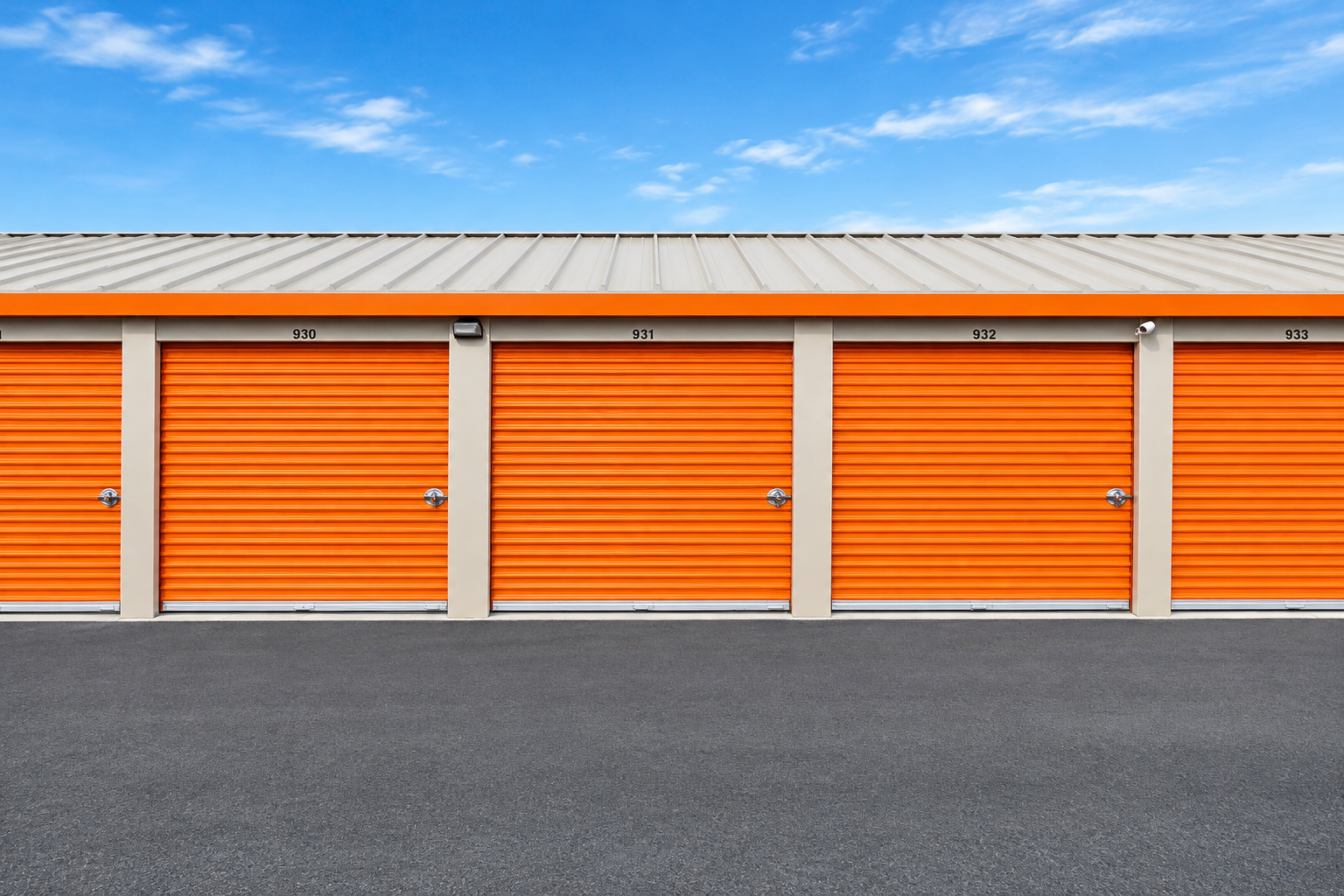
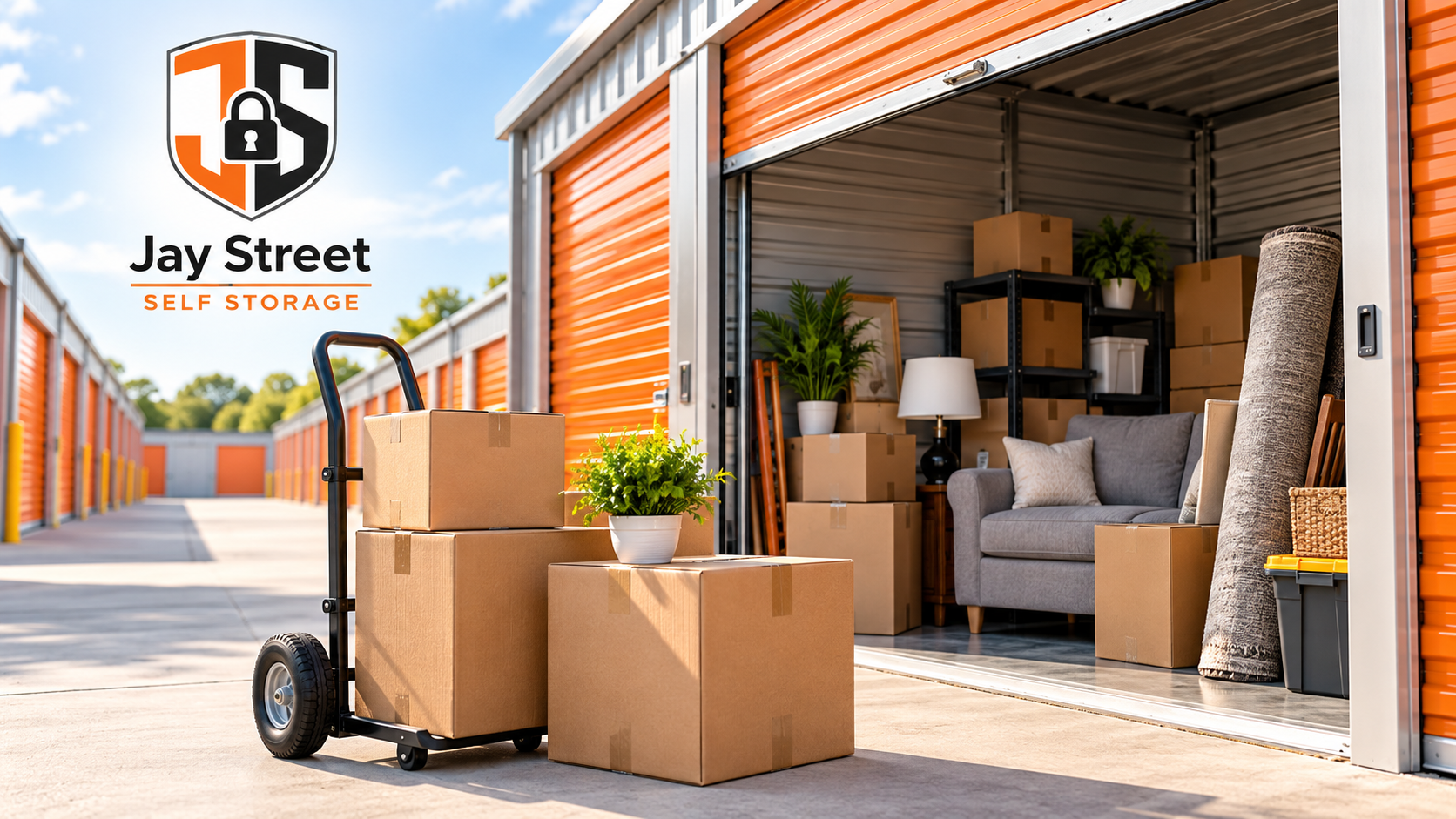
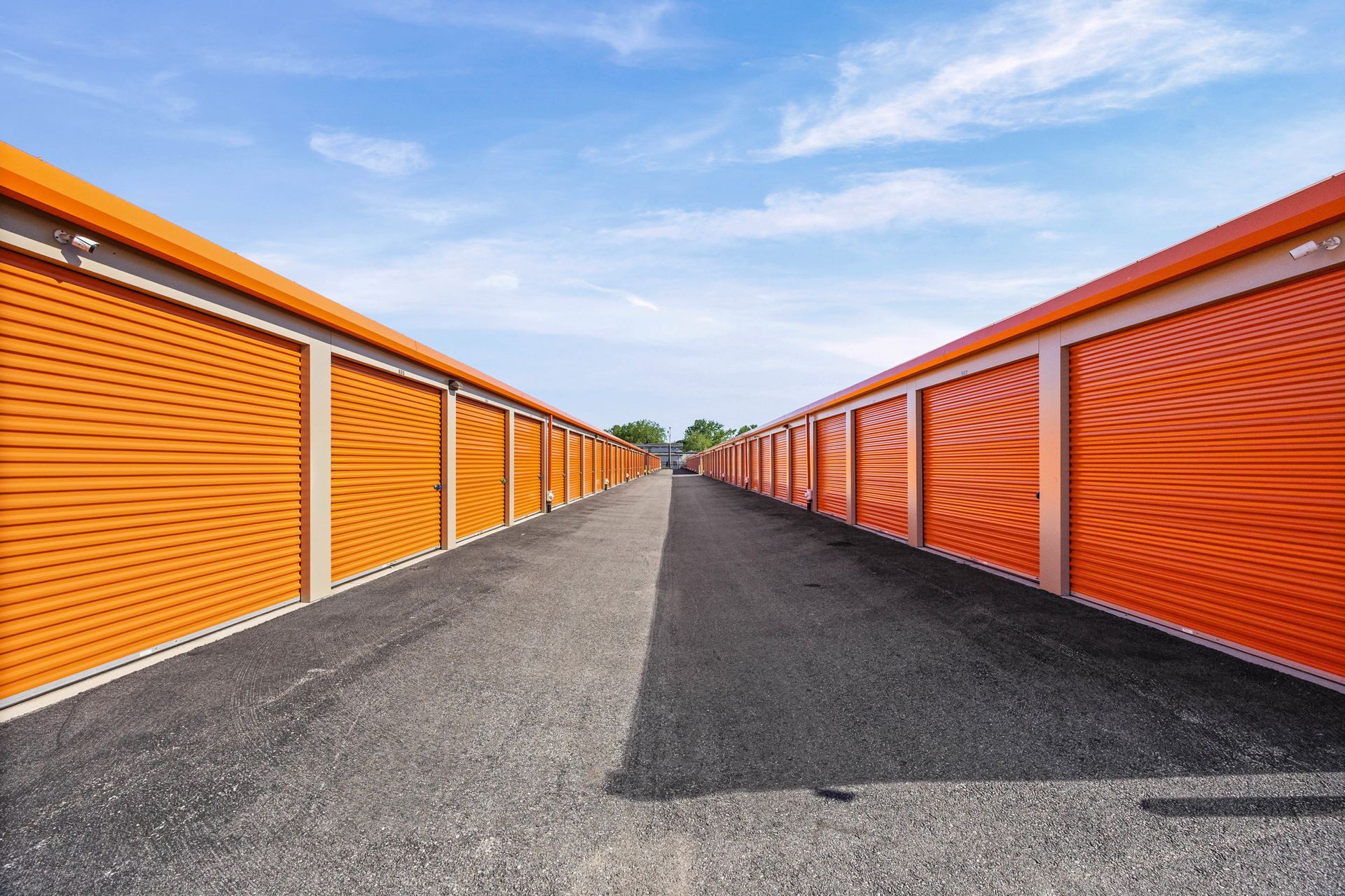
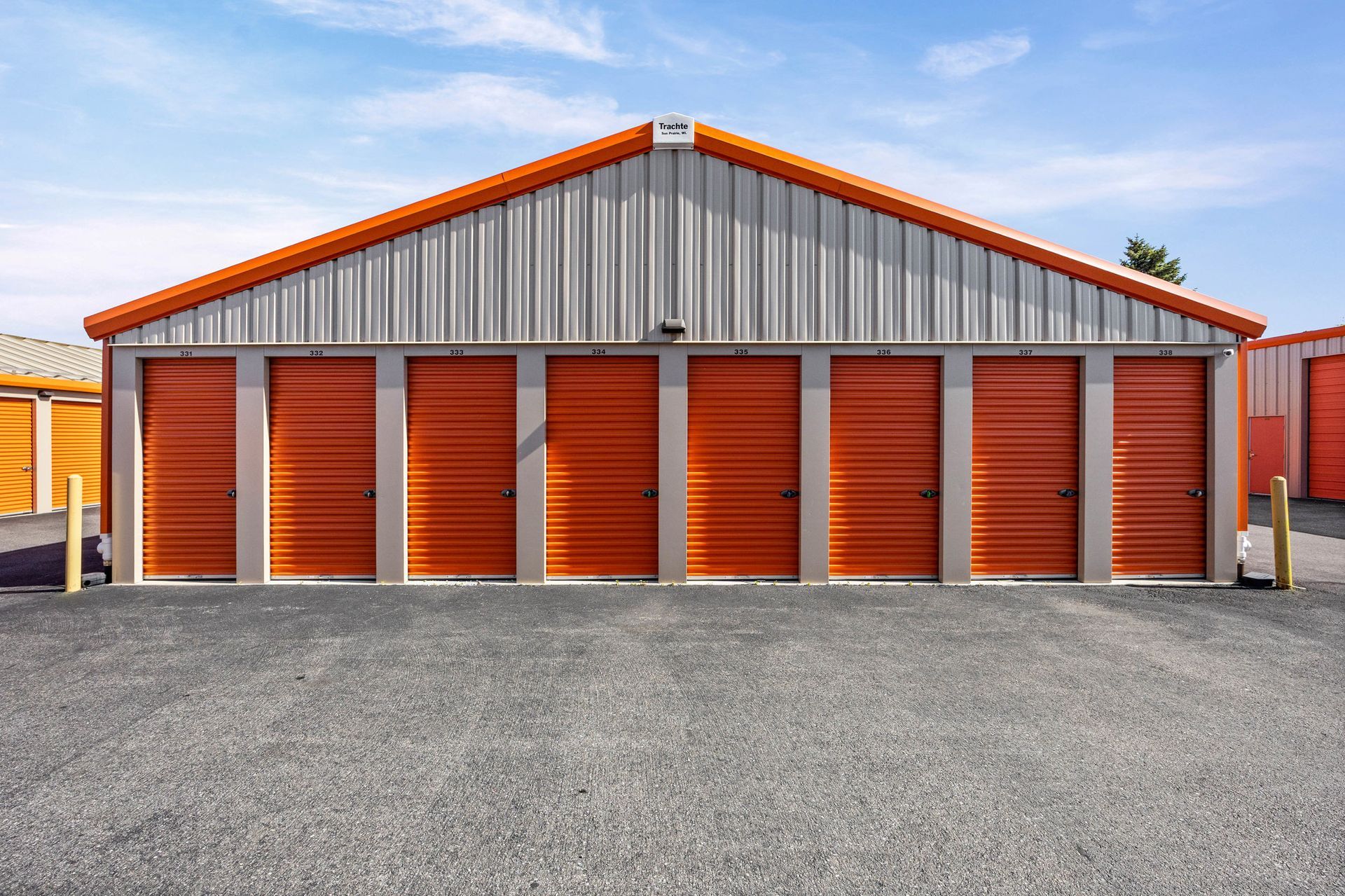
Once you've moved in, you may discover that your apartment doesn't have enough closet space for everything you own. Seasonal decorations, spare furniture, and sports equipment can occupy storage areas you'd rather use for everyday belongings. A storage unit is worth considering when you have items you want to keep but don't need regularly. At Jay Street Self Storage, we offer drive-up units at our property at 1037 Jay Street in Rochester, near Interstate 490. You can load and unload boxes or furniture directly from your vehicle without carrying them through interior hallways.
Choosing a Storage Unit for Apartment Belongings
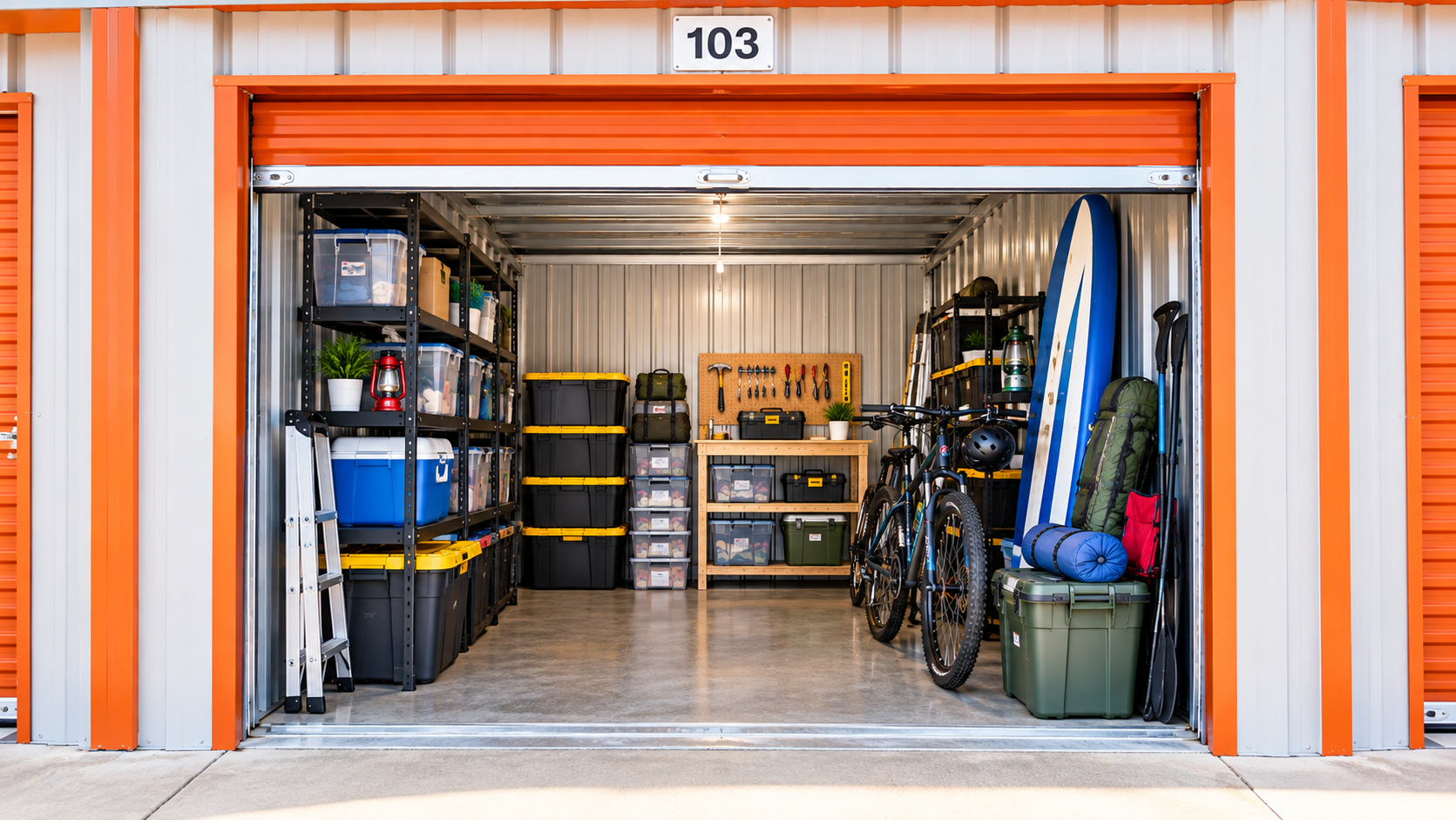
Our 5x5 units provide 25 square feet of space and are suitable for smaller furniture, boxes, and seasonal items. A 5x10 unit offers 50 square feet and can accommodate bedroom furniture or other belongings from a small apartment, depending on their dimensions. For larger moves, our 10x10 units provide 100 square feet and are commonly used for the contents of a one-bedroom home. Before choosing a size, make an inventory of everything you plan to store and measure larger pieces of furniture.
Our Rochester facility offers daily access from 6:00 AM to 10:00 PM, along with online rentals and payments. Since our units aren't climate-controlled, temperature-sensitive belongings require additional consideration before storage. Check the requirements of individual items before deciding what belongs in a unit.
Moving Into Your First Apartment With a Car
If your apartment includes parking, confirm whether the assigned space is included in your rent or requires a separate fee. Ask about guest parking, vehicle registration requirements, and any restrictions on leaving a car parked for extended periods. For Rochester renters who won't be using a vehicle regularly, our guide to preparing a car for winter storage explains the maintenance steps worth completing before leaving it parked for several months. This is particularly relevant if you're moving into an apartment with limited parking and need another arrangement for an extra vehicle.
Make Room for What You Actually Need
Your first apartment doesn't have to be fully furnished on moving day. Prioritize a comfortable place to sleep, basic cooking equipment, bathroom supplies, and the household items you'll use every week. Once you've unpacked, you'll have a clearer idea of what furniture and organizers are worth buying. If you're moving into a smaller Rochester apartment and need somewhere to keep extra furniture or belongings between moves, you can explore storage options from Jay Street Self Storage and compare available unit sizes. Our drive-up spaces provide an option for belongings that don't fit in your new home, so you can arrange the apartment around what you actually use.